



laminador de acero para producción de tiras compactas
The production of thin gauge steel plates with precise thickness tolerances is a critical requirement for industries such as automotive, electronics, and precision engineering. Reversible cold rolling mills are particularly well-suited for manufacturing these high-precision thin steel plates due to their flexibility in adjusting rolling parameters between passes. Unlike tandem mills, a cold reversing mill allows for multi-pass rolling with intermediate adjustments, making it ideal for achieving tight thickness tolerances in ultra-thin steel strips (0.1 mm and below). Thickness accuracy in reversing cold rolling mills is influenced by several factors, including roll gap control, tension management, roll bending systems, and material deformation behavior. Modern reversible cold rolling mill setups incorporate advanced automation, real-time monitoring, and adaptive control systems to ensure that thickness deviations remain within ±1% or better. Challenges in Thin Gauge Rolling with Reversible Cold Mills Producing thin steel plates in a reversible cold rolling mill presents unique challenges that must be carefully managed to maintain thickness consistency. 1. Elastic Deformation of Rolls (Mill Spring Effect) In thin gauge rolling, the high rolling forces required to reduce thickness cause significant elastic deformation of work rolls, leading to variations in the actual roll gap. The reversing cold rolling mill must compensate for this mill spring effect using hydraulic gap control (HGC) systems that dynamically adjust roll positioning during operation. 2. Tension Variations During Reversals Since a reversing rolling mill processes the strip back and forth, tension fluctuations occur during direction changes. These variations can lead to temporary thickness deviations if not properly controlled. Modern mills use automatic tension regulators to maintain uniform strip tension between passes. 3. Work Roll Thermal Crowning The repeated deformation of thin steel generates heat, causing thermal expansion of the work rolls. Without proper control, this leads to uneven roll profiles, affecting thickness consistency across the strip width. Reversible cold rolling mills employ roll cooling systems and thermal camber models to counteract this effect. 4. Material Hardening and Gauge Variation As the strip undergoes multiple cold rolling passes in a cold reversing mill , work hardening increases, requiring adjustments in rolling force and speed to maintain uniform reduction. Key Technologies for Thickness Control in Reversible Cold Rolling Mills To overcome these challenges, modern reversible cold rolling mills integrate several advanced control systems. 1. Automatic Gauge Control (AGC) Systems The most critical technology for thickness accuracy in a reversing cold rolling mill is the AGC system, which continuously monitors and adjusts the roll gap. There are three primary AGC methods: Hydraulic AGC: Uses fast-response hydraulic cylinders to correct roll gap deviations in real time. Monitor AGC: Adjusts rolling force based on feedback from thickness gauges (X-ray or laser). Mass Flow AGC: Maintains consistent mass flow (thickness × speed) to prevent gauge variations. 2. Work Roll and Intermediate Roll Bending To counteract roll deflection and ensure uniform thickness across the strip width, reversible cold rolling mills use: Positive/Negative Work Roll Bending: Adjusts roll curvature to compensate for deflection. Intermediate Roll Shifting (in 6-high mills): Optimizes contact pressure distribution. 3. Tension Control Systems Strip tension must be precisely regulated in a reversing rolling mill to prevent gauge variations. Closed-loop tension control systems adjust coil torque and mill speed to maintain consistent interstand tension. 4. Advanced Roll Grinding and Surface Profiling The work rolls in a cold reversing mill are precision-ground with specific crown profiles to ensure uniform deformation. Regular roll grinding and inspection are essential to maintain thickness accuracy. Process Optimization for Thin Gauge Steel in Reversing Mills Beyond hardware controls, operational strategies play a crucial role in achieving tight thickness tolerances. 1. Multi-Pass Reduction Strategy Unlike tandem mills, a reversible cold rolling mill allows for customized reduction per pass. For thin gauge steel, a progressive reduction schedule (higher reductions in early passes, finer adjustments in final passes) ensures better thickness control. 2. Speed and Acceleration Management Since reversing mills alternate directions, speed ramping must be optimized to prevent tension spikes that could affect gauge uniformity. Modern mills use soft acceleration/deceleration algorithms. 3. Adaptive Learning Systems AI-based process models in reversible cold rolling mills analyze historical rolling data to predict and correct thickness deviations before they occur, improving consistency over successive coils. 4. Post-Rolling Thickness Measurement & Feedback Laser or X-ray thickness gauges installed at the mill exit provide real-time feedback, allowing immediate corrections in subsequent passes. Precision Rolling in Reversible Cold Mills The reversible cold rolling mill remains the preferred choice for producing thin gauge steel plates with exceptional thickness accuracy due to its flexibility, advanced control systems, and ability to perform multi-pass optimizations. By integrating hydraulic AGC, tension control, roll bending, and AI-driven process adjustments, modern reversing rolling mills can achieve thickness tolerances of ±0.5% or better—meeting the stringent demands of high-tech industries. As automation and machine learning continue to evolve, cold reversing mills will further enhance their capability to produce ultra-thin, high-precision steel with unmatched consistency. For manufacturers seeking superior gauge control in thin steel production, optimizing reversible cold rolling mill processes remains a critical competitive advantage.

We have successfully executed over 500
projects around the world,
many first-of-their-kind
research projects and products in China, including
We have successfully executed over 500
projects around the world,
many first-of-their-kind
research projects and products in China, including
-
2004
The 1st hydraulic AGC system for hot rolling of ribbon steel
-
2006
The 1st AFC system used for 1450mm skin pass mill
-
2009
The 1st 5-stand tandem line with 2-stand POR & Uncoiler for 650mm ribbon steel
-
2012
The 1st reversing mill for 1380mm strip
-
2016
The 1st soft-rolling system used in skin pass mill
-
2019
The 1st fully automated medium-width tandem cold rolling mill
-
2021
The 1st 5000KN Twin-stand double skin pass mill
-
2022
The 1st coupled pickling line & tandem cold mill with two modes - big roller & small roller
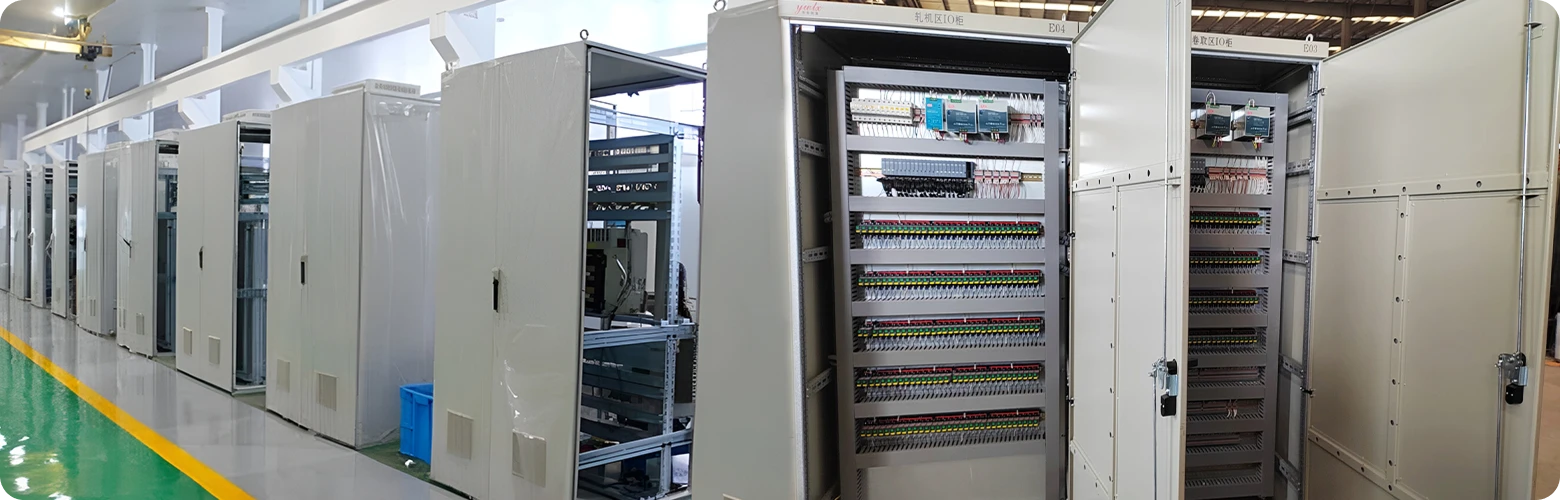
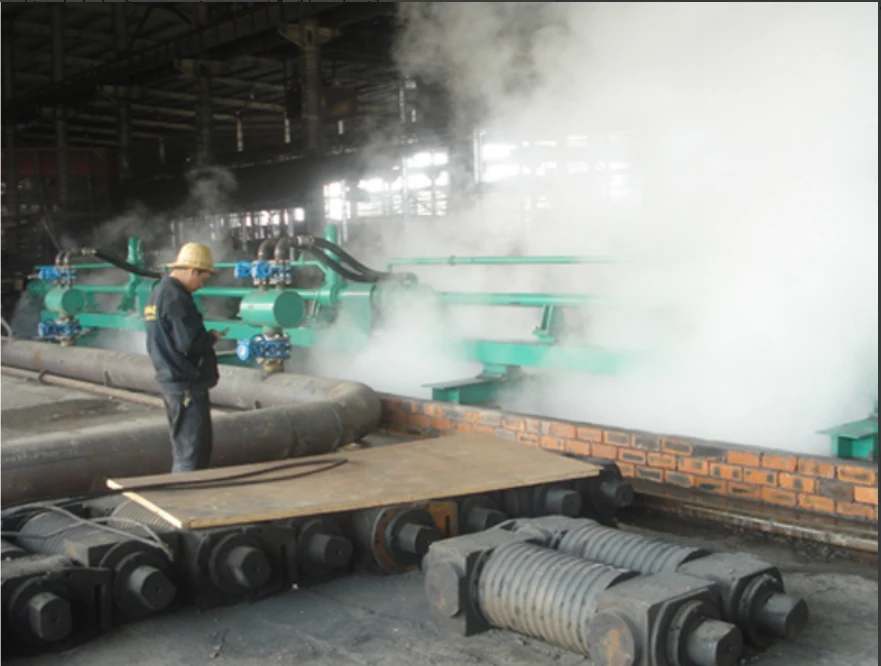
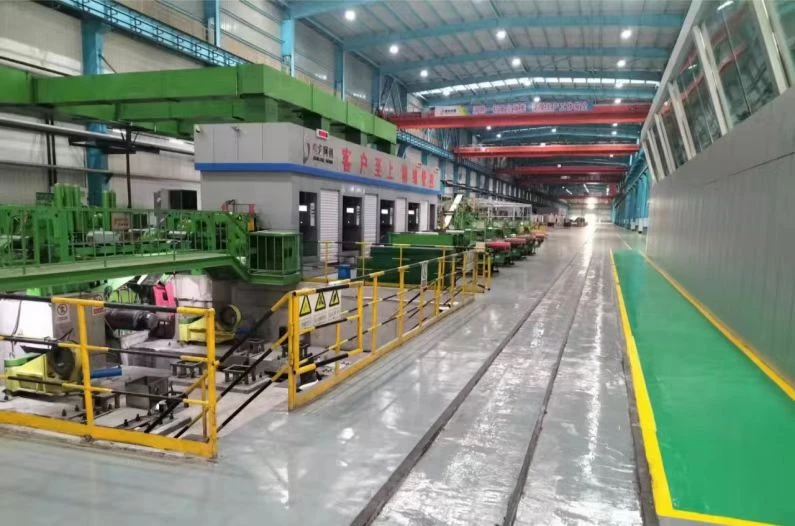
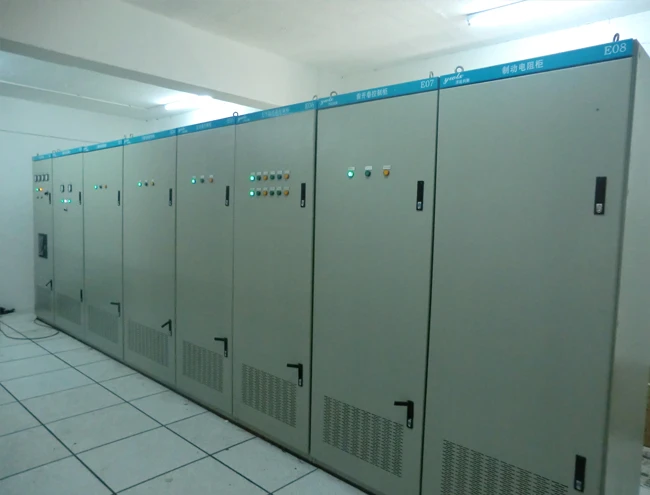
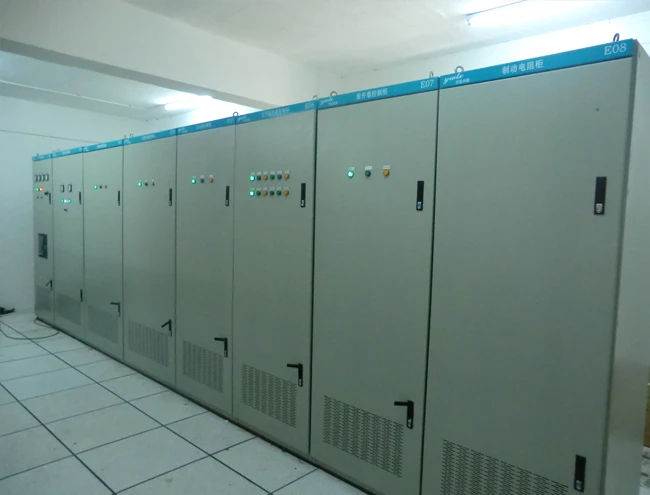
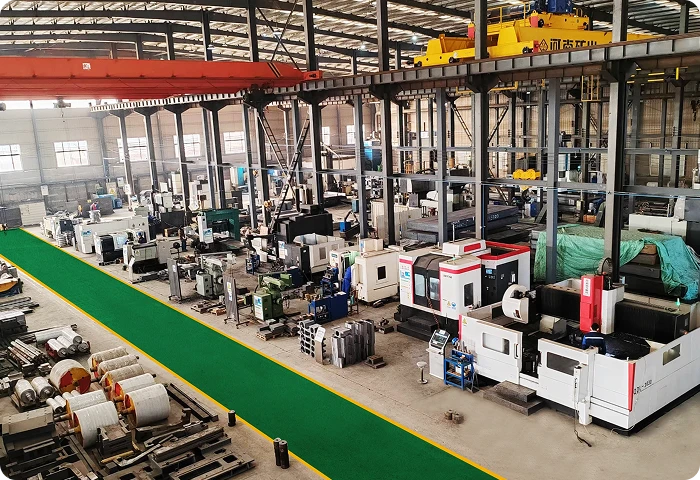
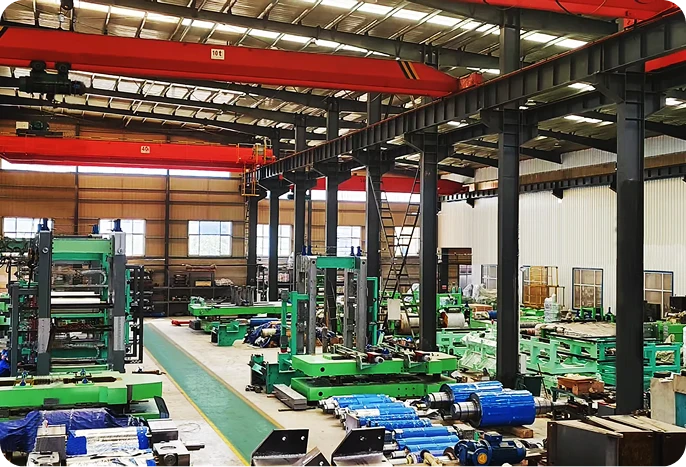
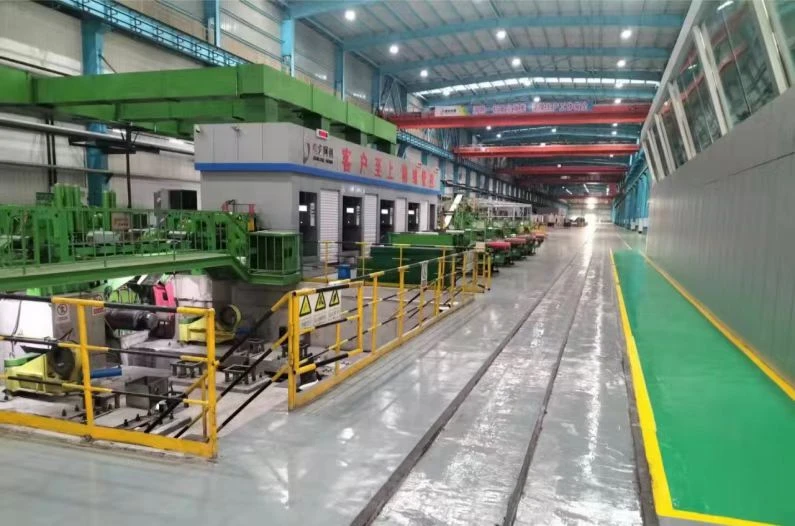
Yang Wang Li Xin operates a state-of-the-art facility over 66,000 square meters,and our manufacturing facility is fully equipped with high-tech machinery and high-capacity cranes. This enables us to handle large work pieces measuring 4.5m in width, 10m in length, and 1.5m in height, guaranteeing our capacity to produce 1800mm skin-pass mills and 1450mm rolling mills. The individual piece can weigh up to 100 tons.


Quality is fundamental to the enterprise survival. We have established a comprehensive and meticulous quality management system and have successfully obtained ISO14000 certification. Starting from the design source, it supervises the entire production cycle, including design, procurement, processing, assembly, in-factory testing, installation, and online commissioning. The workshop is equipped with measuring tools like vernier calipers, spectrometers, hardness testers, and ultrasonic flaw detectors. They are used to check materials and control tolerances to ensure the final equipment meets or exceeds requirements. All products have a unique code, This enables the easy identification and traceability of the equipment components and ensures full control of quality.


-
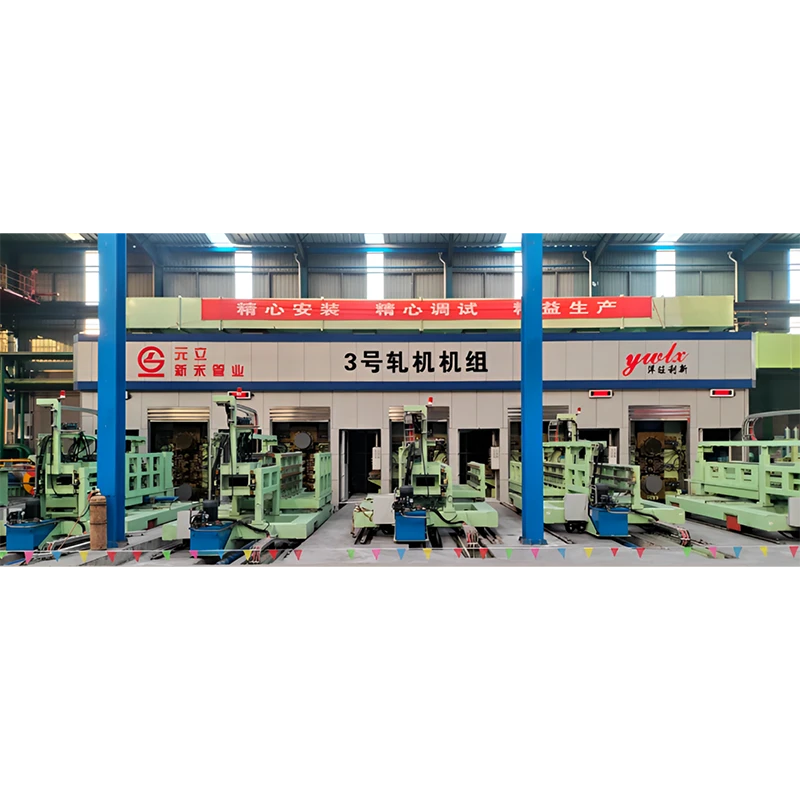 bar rod millNavigating the world of metallurgy and manufacturing often brings us face-to-face with the necessity of utilizing bar rod mills. These crucial machines play a significant role in the production of metal rods and bars, which are fundamental components across various industries, including construction, automotive, and aerospace. Understanding the technological and operational aspects of bar rod mill
 -
 Leading Cold Rolling Machine Manufacturer for Superior QualityChoosing the right cold rolling machine manufacturer is imperative for any company aiming to optimize its production efficiency and ensure superior quality in metal processing. This decision hinges on multiple factors that delineate Experience, Expertise, Authoritativeness, and Trustworthiness (E-E-A-T), crucial indices for ensuring a valuable and sustainable business partnership. Experience plays
 -
 Cladding Rolling Mill - YWLX | Energy-Efficient Bimetallic SolutionsIntroduction to Cladding Rolling Mill Technology The Cladding Rolling Mill represents a significant advancement in metal fabrication, particularly in the production of roll bonding cladding and hot roll bonding cladding . This technology has evolved to address the limitations of traditional methods such as exploding cladding and hot rolling, which often suffer from low surface quality, high energy


